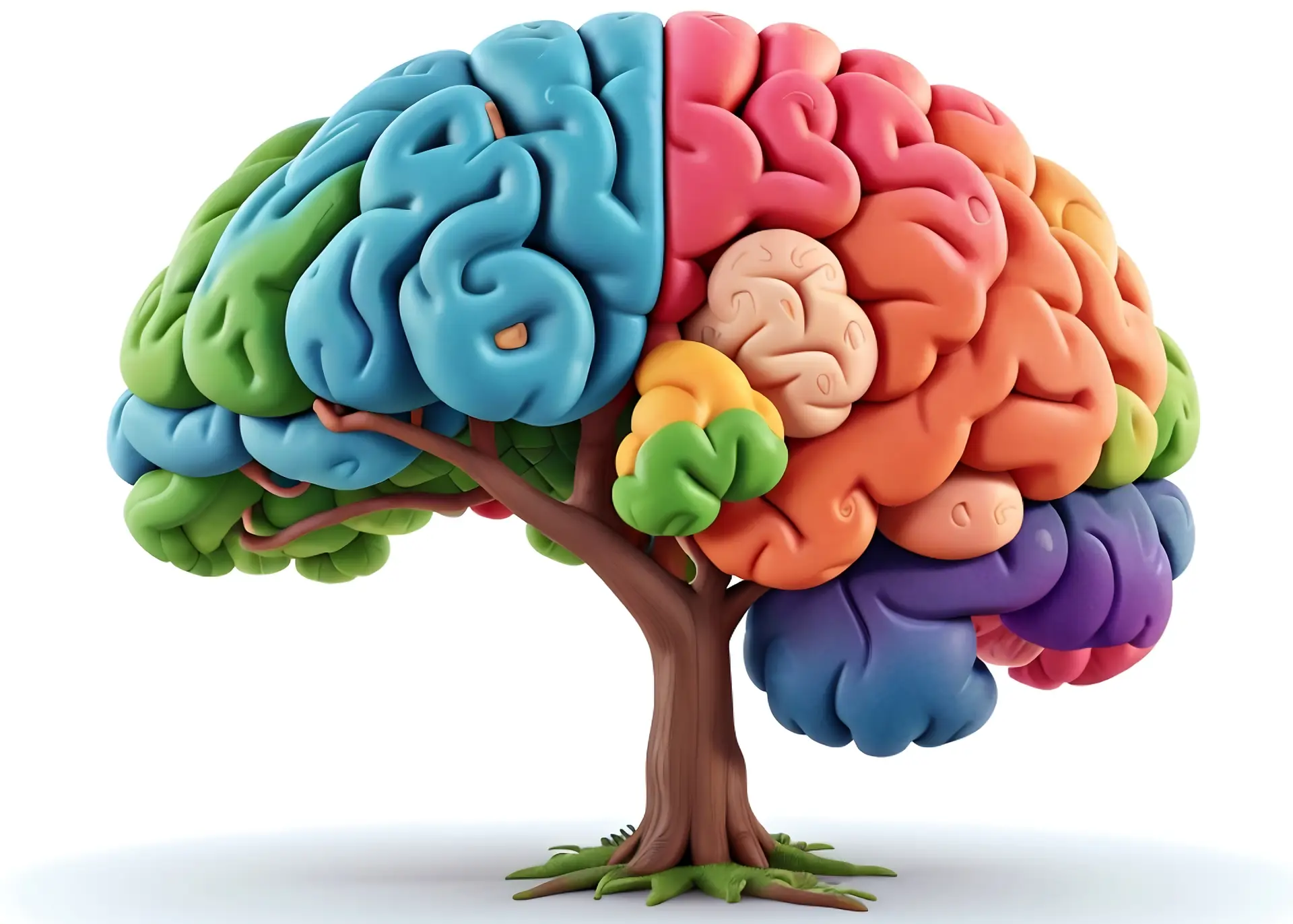
Discover how the gut-brain axis impacts neurological health. Learn about the IWBMC™ integrative approach to autism, ADHD, and brain development.
Your Gut Is Talking to Your Brain: Why It Matters for Neurological Health
For years, we’ve treated the brain as if it operates in isolation—a command center disconnected from the rest of the body. But groundbreaking research is revealing something remarkable: your gut and brain are in constant conversation, and this dialogue profoundly impacts cognitive function, behavior, and emotional well-being.
The Interpersonal Whole-Brain Model of Care® (IWBMC™) represents a revolutionary shift in how we approach neurological health by recognizing this intricate connection. Instead of treating symptoms in isolation, this comprehensive framework addresses the whole person—acknowledging that optimal brain function depends on the complex interplay between neurological state, gut health, immune function, and nutritional status.
The Gut-Brain Highway
The connection between your digestive system and your brain isn’t just metaphorical—it’s a sophisticated biochemical superhighway called the gut-brain axis. During early development, your nervous system splits into two parts: the central nervous system (your brain and spinal cord) and the enteric nervous system (often called your “second brain”), which lines your gut. These systems maintain constant communication throughout your life.
The primary messenger between these two brains is the vagus nerve, which extends from your brain stem down through your chest and into your abdomen. This two-way street allows your gut to send signals that influence mood, attention, and cognitive processing, while your brain controls digestive processes in return. This explains why stress gives you butterflies—or worse—and why digestive issues so often accompany mood changes.
What makes this connection even more fascinating is that your gut produces approximately 90% of your body’s serotonin—the neurotransmitter often called the “happiness chemical.” When gut health deteriorates, serotonin production suffers, potentially contributing to depression, anxiety, and mood disorders. Your digestive system isn’t just processing food; it’s manufacturing the very chemicals that regulate your emotions and cognition.
The Microbiome: Your Internal Ecosystem
Living inside your gut are approximately 100 trillion microorganisms—bacteria, viruses, fungi, and other microbes—collectively known as your microbiome. This internal ecosystem constitutes 75-80% of your immune system and plays a crucial role in neurotransmitter production, hormone regulation, and neurological development.
Recent research has revealed striking connections between microbiome health and neurological conditions. A study analyzing 20 years of data from over 16,000 Swedish children found significant links between childhood microbiome disruptions and the development of autism and ADHD. Individuals with neurological differences often exhibit altered microbiome compositions, characterized by a reduced abundance of beneficial bacteria and an increased presence of potentially harmful microorganisms.
When your microbiome becomes imbalanced, the consequences ripple throughout your body and brain. Reduced diversity in gut bacteria correlates with increased inflammation, compromised neurotransmitter production, and impaired cognitive function. Supporting microbiome health isn’t just about digestion—it’s about supporting brain development and function.
Inflammation: The Silent Disruptor
Since the majority of your immune system resides in your gut, gastrointestinal health has a direct impact on inflammation throughout your entire body. While inflammation serves essential protective functions when acute and properly regulated, chronic inflammation can significantly disrupt neurological function.
Individuals with neurological differences often experience elevated systemic inflammation triggered by various factors, including reactions to chemicals in food or the environment, nutrient deficiencies, food sensitivities, autoimmune responses, gut dysbiosis, or infections. Growing evidence shows that dysregulated neuroinflammation plays a significant role in autism spectrum disorders, often associated with behavioral challenges.
The effects of chronic inflammation extend far beyond physical symptoms, such as allergies, congestion, or skin conditions. They manifest as emotional dysregulation, learning difficulties, anxiety, and depression—presentations frequently misattributed to purely psychological causes. This misunderstanding leads to interventions that fail to address the underlying physiological contributors.
A New Approach to Care
The IWBMC™ challenges traditional compartmentalized care by integrating comprehensive nutritional assessment, physiological evaluation, and neurological support. This approach recognizes that optimizing brain function requires addressing gut health, inflammatory processes, and nutritional status.
The model begins with a thorough assessment, examining dietary intake, medication and supplement regimens, feeding challenges, allergies, sleep quality, physical activity, and a complete medical history. When needed, specialized testing may include food sensitivity panels, microbiome analysis, and comprehensive metabolic assessments. This data informs customized intervention plans that address root causes rather than masking symptoms.
By simultaneously supporting nutritional needs, reducing inflammation, promoting gut health, and optimizing neurological function, this integrated approach creates synergistic effects that often exceed outcomes from traditional, symptom-focused treatments.
Looking Forward
As research continues to illuminate the profound connections between gut health and brain function, the importance of whole-person care becomes increasingly evident. The gut-brain axis isn’t just a fascinating biological phenomenon—it’s a fundamental pathway that shapes cognitive development, emotional regulation, and neurological health throughout the lifespan.
For individuals and families navigating neurological differences, this understanding offers both hope and practical direction. By honoring the complexity of human health and addressing the interconnected systems that support brain function, we can move beyond symptom management toward genuine healing and optimal development.
Your gut and brain are partners in health. When we support this partnership through comprehensive, evidence-based care, we unlock new possibilities for neurological wellness and quality of life.