“He is so in tune with others now that he has become a leader.” – Olivia, Lincoln’s provider
When Lincoln first arrived at Jacob’s Ladder, his autism diagnosis made everyday interactions overwhelming, leaving him isolated and struggling to connect with others. Through our Interpersonal Whole-Brain Model of Care® and creative interventions, such as footprint trails and animal therapy, this remarkable 10-year-old has transformed from a child who ate lunch alone on the floor to a confident leader who helps his classmates and enjoys new experiences with his family. Lincoln’s inspiring journey shows how the right support can help children overcome their greatest challenges and discover their true potential.
Finding His Way, One Footprint at a Time
When 10-year-old Lincoln arrived at Jacob’s Ladder two years ago, he faced significant challenges related to his autism spectrum diagnosis. Like many children with ASD, Lincoln’s brain processes sensory information differently, making him hypersensitive to sounds, smells, and touch. This neurological difference led to self-isolation, verbal outbursts, and difficulty forming relationships, despite being academically capable.
For Lincoln, transformation began with cutout footprints on the floor. His provider, Olivia, created a trail leading from his classroom to the main table in the Hope School dining area. Each day, Lincoln would sit on the floor and eat his lunch on the footprint, gradually moving closer to the table where the other children ate. Then, one day, Lincoln surprised everyone—he skipped the final footprint and joined his friends straight away.
A Brain-Based Approach to Growth
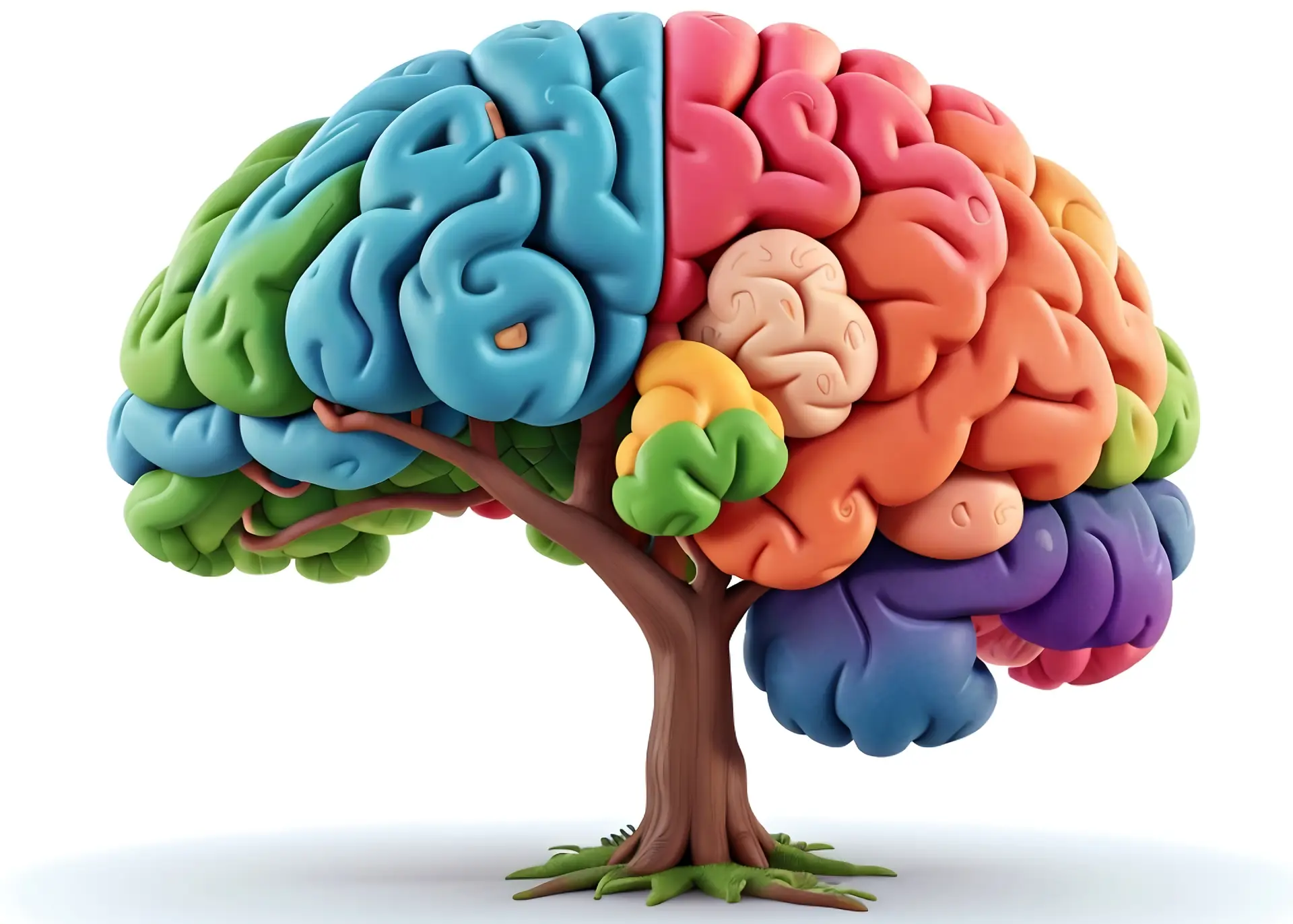
Lincoln’s treatment plan, developed through our Interpersonal Whole-Brain Model of Care® (IWBMC™), addressed his core challenges by providing tools to regulate his responses to overwhelming sensory experiences. Children with ASD often struggle with sensory processing, which can trigger fight-flight-or-freeze responses that appear as behavioral issues.
“Lincoln would self-isolate,” Olivia explains. “When overwhelmed, he couldn’t appropriately express himself and would become verbally and physically aggressive toward both peers and teachers.”
Building New Connections
After two years at Jacob’s Ladder, Lincoln has undergone a transformation. “He’s become a new person,” says Olivia. His progress extends far beyond the classroom—he now eats at restaurants with his parents and has significantly expanded his diet despite food sensitivities that are common with ASD.
One remarkable breakthrough came through animal therapy. Initially terrified of unfamiliar smells, like those of animals, Lincoln was hesitant to approach Joy, the therapy cat. With gentle encouragement, he gradually became comfortable enough to pet her. “He hated smells at first,” Olivia shares, “but now he not only visits Joy, he’s also started gardening with his mother and even tried indoor skydiving.”
From Isolation to Empathy
What might seem like small social developments are monumental achievements for children with ASD. Lincoln has not only made friends at church—a once-overwhelming setting—but has also developed empathy, a skill that children with autism often struggle to express.
“He is so in tune with others now that he has become a leader,” Olivia shares. During Running Club, Lincoln noticed another child looking unsteady and went to help without being prompted, demonstrating awareness that was unimaginable just two years ago.
“He’s so much more respectful and receptive,” says Olivia. “His self-affirmation is higher, and he’s proud of who he’s becoming.”
Lincoln’s journey from isolation to connection shows that with the right brain-based support, children can overcome seemingly insurmountable challenges—one footprint at a time.