The 5-Step Process
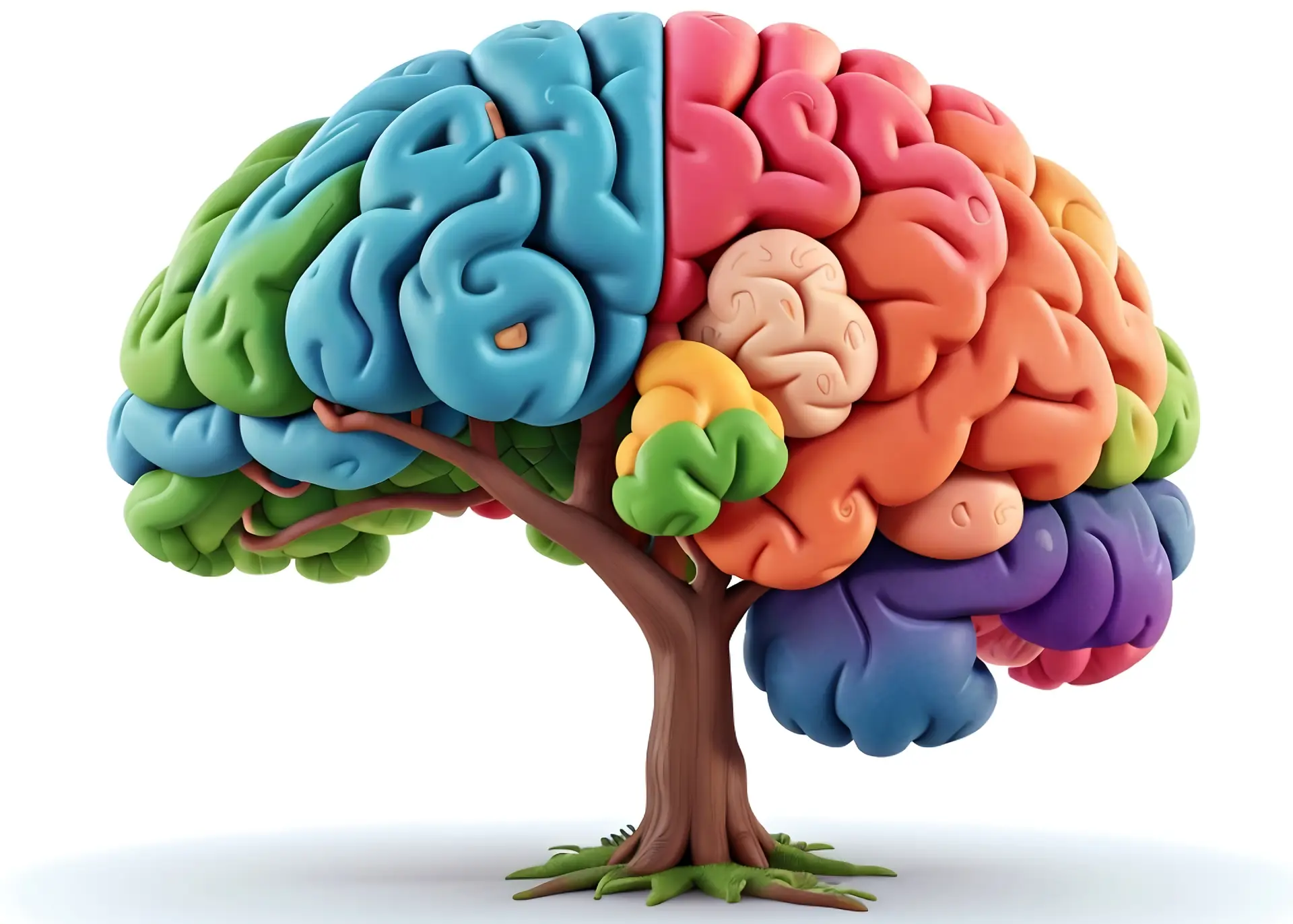
At The Jacob’s Ladder Group, we often discuss the brain’s incredible ability to change and grow. This process, known as neuroplasticity, drives all learning, behavior, and development. But here’s the vital thing to remember: the brain doesn’t just adapt positively. It adapts based on what’s repeated—whether those actions are helpful, healthy, and goal-oriented, or maladaptive, reflexive, and unproductive.
Each time someone is encouraged to complete a task, whether picking up toys, putting their plate in the sink, or putting on their shoes, the brain is given an opportunity to change. When the task is completed successfully, the related neural pathway is further myelinated, which helps signals travel faster and more efficiently along that pathway. In other words, the action becomes more effortless and automatic the next time.
But this process works in reverse, too. If an individual regularly avoids a task, responds with refusal, or isn’t expected to follow through, the brain reinforces those pathways instead. Over time, those less productive responses become ingrained. Thus, consistency and follow-through are essential, especially for children and individuals with developmental or neurological challenges.
We don’t just want children to comply for the sake of compliance; we want to help them build the internal architecture that allows for independence, resilience, and confidence. And to do that, we need tools that support the brain’s natural learning process.
The 5-Step Process: Overview
At Jacob’s Ladder, one of our most effective tools for building consistent follow-through is what we call the 5-Step Process, a key element of our Interpersonal Whole-Brain Model of Care® (IWBMC™). It’s designed to help individuals engage with directions more effectively while laying down the groundwork in the brain for executive functioning skills like task initiation, attention, and emotional regulation.
Let’s break it down with a simple example: cleaning up toys.
The 5-Step Process: Cleaning Up Toys
Step 1: Get Their Attention
Connection comes before direction. This means getting physically close, lowering yourself to their eye level, saying their name, and encouraging eye contact. If you’re shouting from across the room, you’ve likely lost their attention before you have ever gained it.
Step 2: Give the Direction
Use clear, simple language. In this case: “Pick up your toys.” Next, pause and provide them 10 to 15 seconds to process the initial instruction. What might look like ignoring could be the brain working hard to assimilate your words into action.
Step 3: Repeat the Direction (Up to Three Times)
Still no action? Repeat the same direction calmly, providing a short pause and 10 to 15 seconds for processing and follow-through. This allows the brain multiple chances to engage without overwhelm or added pressure.
Step 4: Model the Task
If they’re still stuck, offer support. That might look like hand-over-hand guidance or just being nearby to model the task. Remember, it’s not about perfection, it’s about participation.
Step 5: Give Positive Feedback
No matter the level of support provided, provide effective praise and feedback, such as “Great job starting to clean up your toys!” This step is crucial for reinforcing the neural loop and positive behavior.
When used consistently, just three to five times daily, this 5-Step Process profoundly affects the brain. Over time, individuals show increased follow-through with directions but also build strong neural pathways for receiving, processing, and utilizing information, thus supporting many areas necessary for higher-level cognition, such as executive functioning, problem-solving, and regulation.
Please check out our online store – courses, training, our Online Resource Series, and more are available!
Interested in diving deeper into topics like this or learning formally about our methodology and approach? Check out our professional training opportunities. We also offer caregiver training in the IWBMC™!