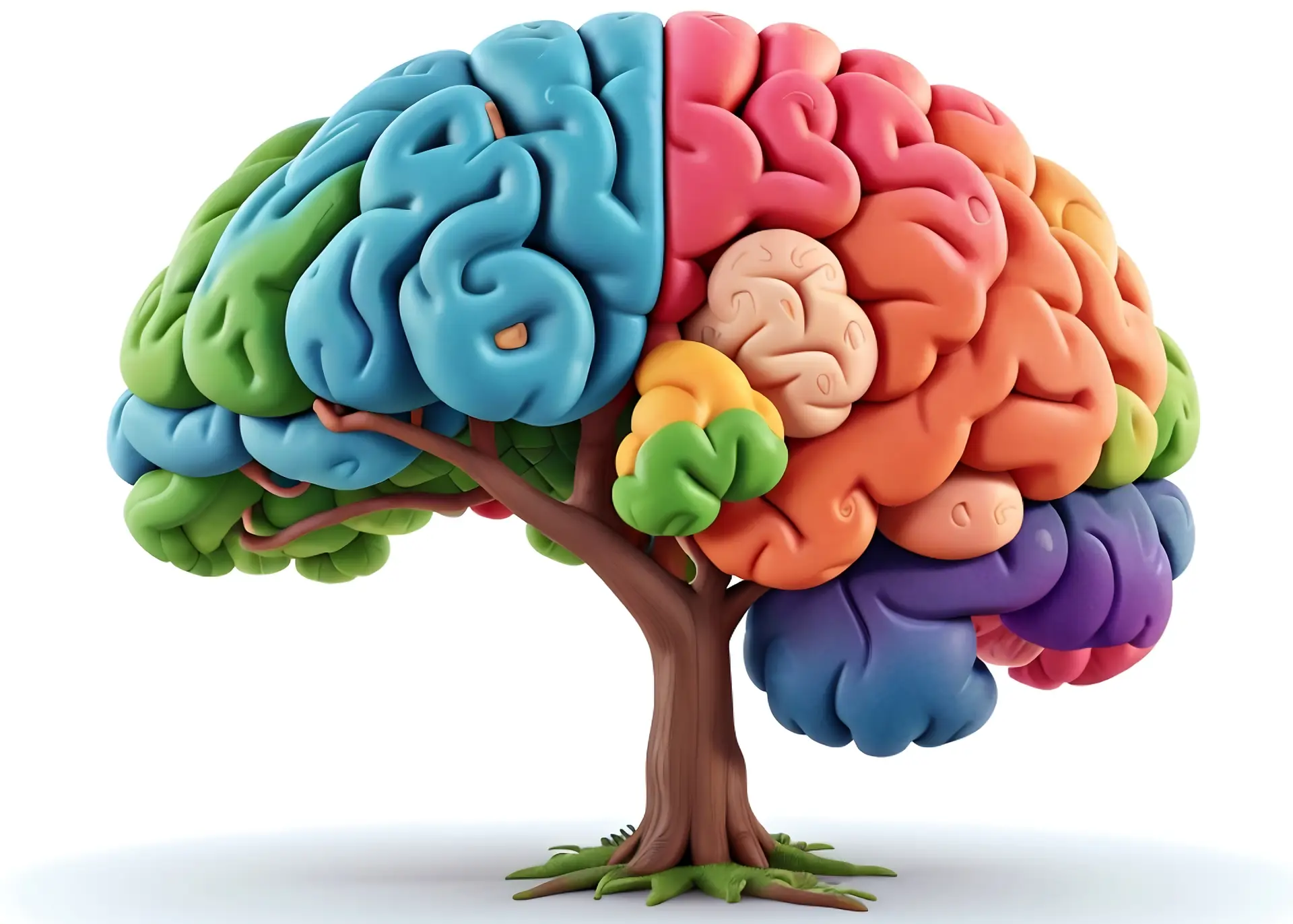
From birth, movement plays a vital role in cognitive, emotional, and social development. One of the most powerful types of movement for brain development is cross-lateral movement, which involves coordinated motion across the body’s midline, such as crawling, running, or touching the right hand to the left knee. These movements engage both hemispheres of the brain, strengthening interhemispheric communication and improving overall neurological function. Additionally, engaging in physical movement increases respiration and cellular oxygenation, further supporting overall brain function and integration.
When individuals experience a lack of interhemispheric communication, they may face functional challenges, particularly in learning, emotional regulation, and mobility. Understanding the benefits of cross-lateral activities can offer valuable insight into their role in brain development, emotional well-being, and learning success.
Strengthening the Brain’s Communication Pathways
From a brain-based perspective, each time an individual engages in cross-lateral movement, the corpus callosum, the bridge between the brain’s left and right hemispheres, is strengthened. When movement is coordinated and organized, neural pathways along this structure become more myelinated, enhancing efficient communication between the two sides of the brain.
For individuals who struggle with interhemispheric communication, challenges may include:
- Difficulty accessing logic and reasoning during stressful moments (becoming “stuck” in emotional responses)
- Learning-related issues, such as poor reading comprehension
- Mobility difficulties due to a lack of coordinated bilateral movement
Improving Learning and Executive Function
Cross-lateral movements are especially beneficial for individuals with learning challenges. Reading, for example, requires strong interhemispheric communication—word decoding happens primarily in the left hemisphere. In contrast, reading comprehension occurs in the right hemisphere. Reading comprehension can be impacted if these two regions do not communicate effectively.
By incorporating simple cross-lateral activities before academic tasks, such as one to two minutes of cross-body exercises before a reading activity, individuals can prime their brains for better focus and comprehension. This approach is particularly valuable for individuals with executive functioning difficulties, as movement enhances white matter connectivity in the prefrontal cortex—the brain’s center for focus, problem-solving, and impulse control.
Enhancing Emotional Regulation
Cross-lateral movement can be a powerful tool for self-regulation for individuals who experience high levels of stress or anxiety. Many people who struggle with emotional dysregulation remain in a fight, flight or freeze state due to weak connectivity between the limbic system (the brain’s emotional center) and higher-level reasoning areas.
Through regular structured movement, these connections strengthen, allowing for:
- Improved self-regulation during moments of stress
- A greater ability to shift from emotional overwhelm to logical reasoning
- Reduced impulsive reactions and increased inhibitory control
Supporting Social and Emotional Development
Beyond cognitive and emotional benefits, cross-lateral movement also fosters social and experiential learning. Movement-based activities often occur in group settings, providing natural opportunities for:
- Social interaction and collaboration
- Self-awareness and self-regulation
- Improved attention and engagement
Cross-Lateral Activities
- Daily running or walking program
- Cross March
- Opposite Toe Touches
- Opposite Shoulder Taps
- Cross High-Fives
Conclusion
Cross-lateral movement is a simple yet powerful way to enhance brain function, emotional regulation, and learning ability. Individuals can build stronger neural connections by engaging in regular and intentional cross-lateral movement, leading to better emotional regulation, cognitive function, and motor control.
Please check out our online store – courses, training, our Online Resource Series, and more are available!
Interested in diving deeper into topics like this or learning formally about our methodology and approach? Check out our professional training opportunities. We also offer caregiver training in the IWBMC™!