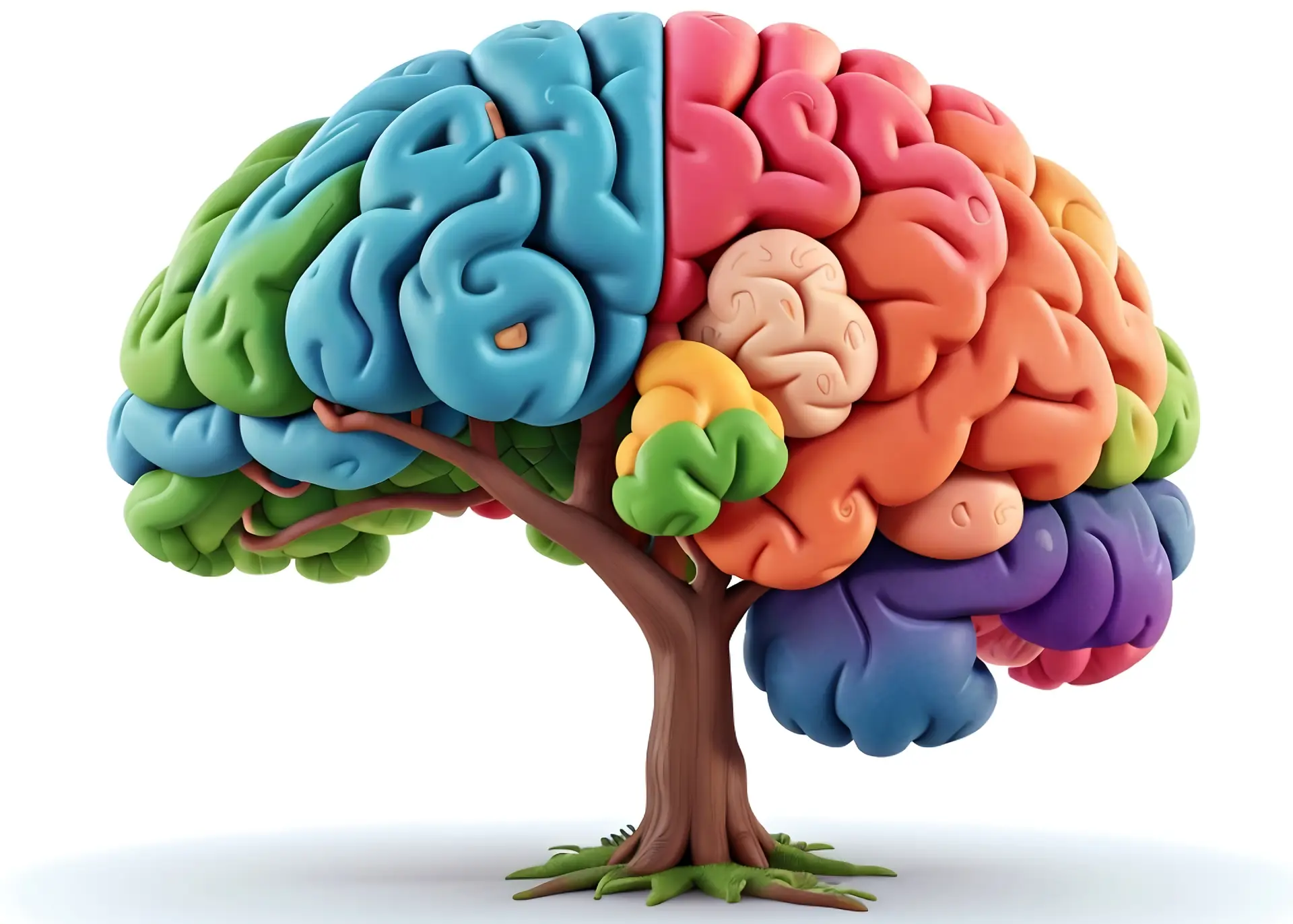
When traditional approaches fell short, the Interpersonal Whole-Brain Model of Care® opened new possibilities for Thomas and his family.
According to the Centers for Disease Control, 20 percent of youth ages 13-18 experience debilitating mental illness, including trauma-related disorders. Behind this statistic are real children and families searching for answers, much like Thomas and his parents were before they found Jacob’s Ladder.
When Trauma Rewires the Brain
Thomas’s journey began with a traumatic incident at just six years old. Due to a challenging experience at his previous school, Thomas struggled with severe anxiety that would completely disrupt his education and daily life. Though bright and engaging, Thomas became too petrified to leave his home. He had been homebound for five years and was unable to attend school in person. Explosive outbursts marked his days, difficulty communicating his thoughts, and an inability to form healthy relationships with peers and adults.
His meltdowns included screaming, crying, hitting, kicking, and fleeing the location. Even the smallest triggers—schoolwork, hunger, fatigue, or perceived lack of safety—could send Thomas into a fight or flight. His parents received multiple diagnoses: ADHD, generalized anxiety, and PTSD from the school trauma.
When Thomas’s family approached Jacob’s Ladder, they honestly believed he could not attend school at Jacob’s Ladder – or anywhere, for that matter. That was our starting point.
Looking Beyond Behaviors to Root Causes
When the brain experiences trauma, particularly in childhood, the lower brain regions begin to perceive everyday life as a continued threat. This neurobiological change has a profound impact on long-term development and functioning, resulting in persistent physical, mental, emotional, and behavioral challenges.
Rather than focusing solely on Thomas’s externalized behaviors, our team implemented the Interpersonal Whole-Brain Model of Care® (IWBMC™) to understand the root of his difficulties. We looked at Thomas as one-of-a-kind—because he is. His unique circumstances required a unique approach.
When the brain experiences trauma, particularly in childhood, the lower brain regions begin to perceive everyday life as a continued threat. This neurobiological change has a profound impact on long-term development and functioning, resulting in persistent physical, mental, emotional, and behavioral challenges.
A Remarkable Transformation
The team at Jacob’s Ladder poured into Thomas “beautifully and diligently.” After 16 months of full-time enrollment, his progress was remarkable:
- From being constantly in a state of fight or flight to developing the ability to self-regulate amidst perceived challenges
- From an inability to trust others and participate in schooling outside the home to forming healthy and intentional relationships with numerous peers and staff
- From moderate academic achievement delays to academic output at and above his age-equivalent grade level
By highlighting his strengths rather than his weaknesses, Thomas began to actualize what his family, community, and team at Jacob’s Ladder had always known he was meant to accomplish.
Beyond Jacob’s Ladder: Continued Success
Today, Thomas has successfully transitioned to a public high school where he continues to excel academically. While he has encountered occasional challenges—as we all do—he now possesses the tools to overcome them.
Thomas’s journey from being unable to leave his home to thriving in a public school environment demonstrates the transformative impact of the right support system. His story exemplifies what can happen when we truly understand a child’s needs and respond with personalized, comprehensive care that addresses the whole brain.
For families facing similar challenges with trauma-related disorders, Thomas’s story offers something invaluable: hope that transformation is possible with the right approach and dedicated support.