In just a few months, Tiger, a lively 7-year-old, has gone from being overwhelmed by emotions to confidently managing them. Thanks to Jacob’s Ladder’s unique brain-based care model, Tiger is learning to express his feelings, engage with his family, and embrace life joyfully. His story of growth and hope is a testament to the power of personalized support.
Meet Tiger, a vibrant 7-year-old who loves building Legos, solving puzzles, and learning about animals. Full of joy and energy, Tiger’s early years were marked by emotional challenges that left his family searching for the right support. Diagnosed with autism spectrum disorder, Level I, before the age of 4, Tiger’s behavior often escalated to crisis levels, particularly in social settings such as school. Small disruptions would lead to big emotional responses, leaving his family feeling helpless and overwhelmed.
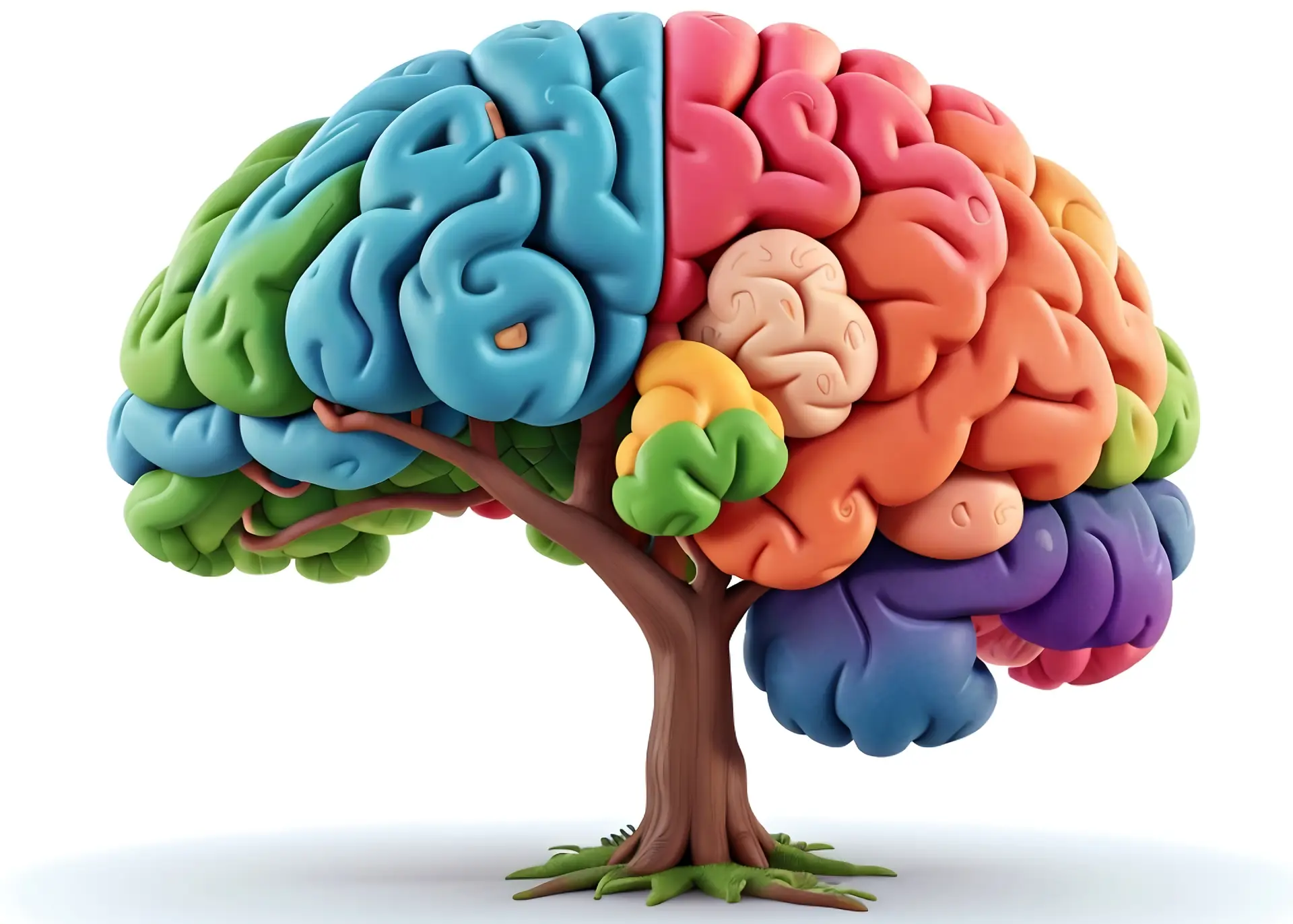
Tiger’s story is one of transformation due to Jacob’s Ladder’s Interpersonal Whole-Brain Model of Care® (IWBMC™). This unique, brain-based approach is designed to connect the two hemispheres of the brain, helping children like Tiger better regulate their emotions and behaviors. For individuals with autism, this connection is often disrupted. The left hemisphere, responsible for logic and reasoning, and the right hemisphere, which governs emotion, can become disconnected. When emotions are triggered, many children struggle to access the part of their brain that helps them respond with words rather than physical or emotional outbursts.
When Tiger started at Jacob’s Ladder in March 2024, his mother, Chelsey, immediately noticed a difference. “From the first time we arrived, it was clear JL wasn’t looking at his behavior as negative but instead focusing on what they could do to support him from a brain-based perspective. That was a huge shift for us,” she says.
One of the most remarkable changes in Tiger has been his ability to regulate his emotions within a short time after enrolling. Where he once would act out physically when upset, Tiger soon began pausing and working through his feelings using his words instead of actions. “Now, when he’s upset, we can talk him through it. He has learned how to manage his anger, and he’ll stop and process his emotions before reacting,” Chelsey explains. Tiger has also gained the ability to advocate for himself, such as asking for his headphones when he needs to block out overwhelming sensory input.
As the weeks passed, the changes were undeniable. Chelsey saw Tiger come home with a smile on his face, eager to play and interact with his family. “Before, he would need so much decompression after school. But now, he can transition much more easily. There’s less stress, and he can engage in family activities without the constant disruptions,” she adds.

The impact of Jacob’s Ladder was profound for the entire family. Within just one week, Chelsey saw a noticeable change in Tiger’s behavior. “It was like a weight had been taken off my shoulders. Our home is filled with joy despite the chaos of normal daily life. We’re all in a better place emotionally.”
Chelsey sums it up: “Jacob’s Ladder has transformed our lives. Tiger is thriving emotionally, and we can finally enjoy being a family, free from the constant stress of uncertainty.”