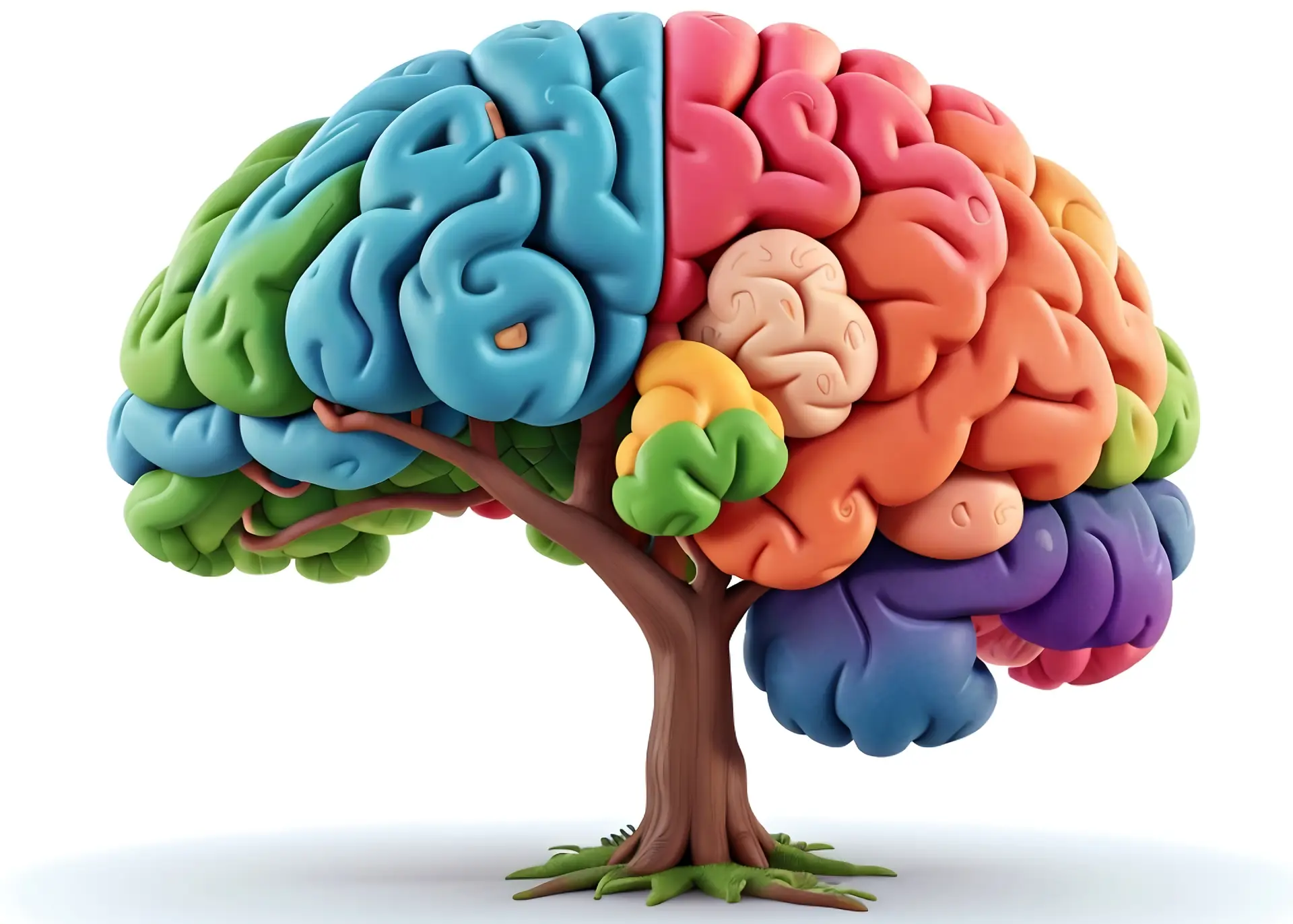
Unveiling the Interpersonal Whole-Brain Model of Care®: An Innovative and Groundbreaking Approach to Neurodiversity
By Dr. Holly Haynes
In the constantly evolving field of neurodevelopmental care, Jacob’s Ladder symbolizes innovation and compassion. Our mission is centered on a steadfast dedication to improving the lives of neurodiverse individuals within our organization and worldwide. The Pillar Research Institute, our specialized research division, serves as the vehicle for this vision, playing a crucial role in sharing the pioneering work at Jacob’s Ladder.
The Pillar Research Institute is dedicated to conducting rigorous research studies and exploring cutting-edge interventions. Our main goal is to share our model, increase awareness of Jacob’s Ladder, and inspire others to adopt our strategies in supporting neurodiverse individuals worldwide. With this goal in mind, we proudly announce the release of our first series of white papers on the Interpersonal Whole-Brain Model of Care® (IWBMC™).
These comprehensive documents serve as a beacon, illuminating the core philosophies that drive the Jacob’s Ladder Group and, most crucially, the IWBMC™ itself. But what exactly is a white paper, and why have we chosen this format to share our work?

White papers, as authoritative and in-depth reports on a specific topic, are traditionally used in government and business sectors. In our context, these papers are the perfect medium to explore our organization’s position and explain the IWBMC™’s philosophies and methods. We chose this format because it allows us to provide a scholarly yet accessible window into our work, inviting professionals, researchers, and families to delve deep into the intricacies of our approach.
The IWBMC™, a significant leap in neurodevelopmental care, is the result of Amy O’Dell’s dedicated three decades of work with clients across the neurodevelopmental spectrum. This model doesn’t just enhance existing practices; it completely redefines our approach to neurodiversity with its unique features and benefits.
Our initial white paper outlines the main components of the IWBMC™ and demonstrates its practical application. It weaves together the complex interconnections of theory, research, and practice that form the basis of our approach. This paper is not just a description of our actions but a detailed exploration of their reasons and how they can be applied in real-world situations.
Moreover, this inaugural paper spotlights our providers’ embodiment of the Hope, Truth, Love philosophy—a cornerstone of our practice. This isn’t just a catchy slogan; it’s the heartbeat of our approach, influencing every interaction, intervention, and moment of care we provide. We invite readers to understand the science behind our work and its soul by exploring this philosophy in depth.
White papers two and three provide an in-depth exploration of the inner workings of the IWBMC™, transitioning from theory to practical application. The second part gives insight into our evaluation process, illustrating how we use the IWBMC™ to uncover each client’s strengths and challenges. It presents a comprehensive overview of our assessment methodology, explaining the reasoning behind our extensive testing approach.
Our evaluation process goes beyond simply checking boxes or conducting standard tests. It is a detailed, personalized journey to understand each client as a whole rather than just a set of symptoms or challenges. By sharing this process, we aim to encourage a shift in how assessments are carried out in the field, advocating for a more holistic, strengths-focused approach.
The third white paper explores the strong connection between our weekly interventions and the IWBMC™. It also delves into what makes our providers exceptional—the therapeutic relationship. This paper goes beyond just describing interventions; it looks at the art of care, the delicate dance between provider and client that forms the foundation of all progress.
As Carla Hannaford so poignantly expressed in Smart Moves: Why Learning is Not All in Your Head:
“This moment and this child are a place to start to heal the wounds. His eyes, a reflection of the world—all sticky, bruised and filled with fear, deep and honest they don’t allow me to turn away. He is my gift, my wake up call—one more God-given opportunity to learn love” (pg. 226).
These words resonate deeply with the essence of the IWBMC™ and our Hope, Truth, Love model. They capture the profound responsibility and opportunity that each interaction with a client presents. Our providers strive tirelessly to offer authentic, compassionate care to everyone who enters our doors. This compassionate foundation creates a safe, nurturing environment where learning journeys can truly begin.
Through these white papers, we invite the world to explore the transformative work of the Jacob’s Ladder Group. But this isn’t just about showcasing our achievements. We believe that sharing our model can ignite a global conversation about neurodiversity and inspire a new care paradigm. We envision a world where the strengths of neurodiverse individuals are celebrated, interventions are tailored to the unique needs of each person, and where compassion is at the heart of every interaction.
As we continue to evolve and refine our approach, we remain committed to transparency, collaboration, and the relentless pursuit of better outcomes for neurodiverse individuals everywhere. These white papers are not the end of a journey but the beginning of a dialogue. We invite researchers, practitioners, families, and individuals across the globe to engage with these ideas, to question, explore, and build upon them.
The release of these white papers marks a significant milestone for Jacob’s Ladder. Still, more importantly, it represents a step forward for the field of neurodevelopmental care as a whole. We stand at the cusp of a new era in understanding and supporting neurodiversity. We invite you to join us on this exciting journey.
Together, we can redefine the boundaries of neurodevelopmental care and pave the way for a more inclusive, understanding world. In this world, every individual can thrive, contribute, and be valued for their unique gifts, regardless of their neurological profile.
The IWBMC™ is more than a model of care; it’s a vision for the future. Through these white papers, we open our doors to the world, sharing our knowledge, passion, and hope for a brighter, more inclusive tomorrow. Join us as we embark on this transformative journey: one client, family, and community at a time.
Read the white papers here: Case Studies & White Papers