Have you ever wondered how a newborn instinctually knows to turn their head and open their mouth in the presence of food? Or how they coordinate their breathing and swallowing to begin eating? These foundational skills and behaviors are typically present in all of us when we are born, and they start developing before birth.
Reflexes are automatic responses and body movements that emerge at pivotal points in development to build an organized and solid neurological foundation and facilitate survival, development, and higher-level learning. They are like the foundation of a house, essential for stability and functionality. Higher-level brain functions and daily living skills depend on the integration of these reflexes.
The Moro reflex, known as the “fight or flight” reflex, is responsible for a baby’s extension of limbs and first breath after being in utero. It serves as a survival mechanism for infants, helping them to process various stimuli from the world around them. If the Moro reflex does not integrate during early development, an individual may have an overactive startle response and operate from an increased state of hypervigilance, impacting their daily life.


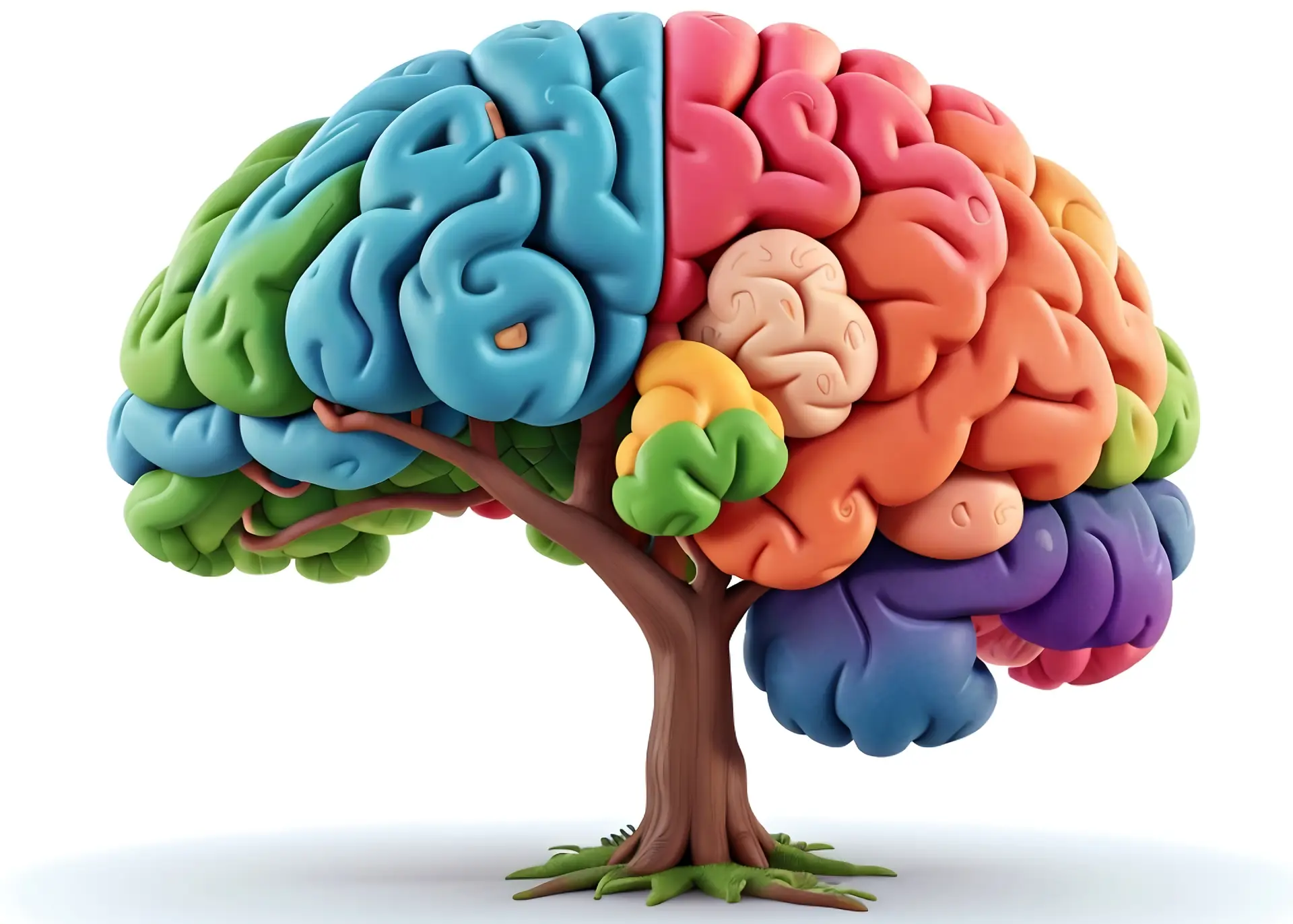
The Interpersonal Whole-Brain Model of Care® (IWBMC™) recognizes the critical impact of reflexes on growth and development, particularly for individuals facing neurobiological challenges. The IWBMC™ emphasizes “building from the foundation up,” addressing and strengthening the lower levels of the brain before focusing on higher levels. This includes addressing foundational abilities and reflex integration to support increased functional output in critical areas for overall success, independence, and learning.
To address goals such as handwriting, potty training, academic performance, or anxiety, we conduct the IWBMC™ Evaluation to determine if unintegrated reflexes or other foundational areas are the root cause of these challenges. We aim to support overall success, independence, and learning by using specific interventions to address reflex integration.
Early reflex integration is crucial to neurological development. Without properly integrating foundational reflexes, higher-level brain functions and daily functioning may be compromised. Recognizing and addressing the impact of reflex integration through specific interventions can significantly support overall success, independence, and learning for individuals facing neurobiological challenges.
To purchase and access our full Early Reflex Integration training, please visit our online store and check out the Online Resource Series.
Interested in diving deeper into topics like this or learning formally about our methodology and approach? Check out our professional training opportunities. We also offer caregiver training in the IWBMC™!